Visual Art 10
In the Saskatchewan Visual Arts Curriculum it is stated that, "In Visual Art 10, students develop ideas for art works by applying and manipulating elements, design principles and image development strategies. They experiment with techniques and compositional strategies using media and art practices such as drawing, painting, printmaking, digital technologies and sculpture. They examine how design and compositional strategies are used to convey ideas including perspectives related to treaties, building of relationships and newcomer experiences. Students create an art work inspired by a Saskatchewan artist, reflect on their own and others’ work, investigate the impact of visual culture on daily life and consider opportunities for lifelong involvement with visual art" (Ministry of Education, 2019, p.2)
Visual Art 10 Lessons
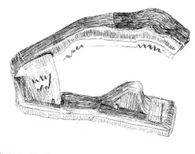
Surrealism Pen DrawingIn this assignment students experiment with surrealism using pen on paper
|
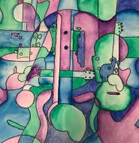
Cubism Mixed MediaIn this assignment students adopt a cubist perspective to study still lifes
|
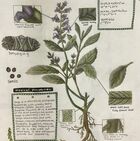
Grisaille Medicinal Plant DrawingsIn this assignment students study the Renaissance grisaille technique and draw Indigenous medicinal plants
|
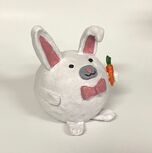
Clay Pinch Pot CreaturesStudents learn about key sculptural components and study Saskatchewan ceramic artist Vic Cicansky. Students then create clay animal sculptures.
|
Your Lesson HereDo you have a lesson to share with the SAEA? Click on the "Lessons" tab and follow instructions on how to share your lesson here on the SAEA website.
|
Your Lesson HereDo you have a lesson to share with the SAEA? Click on the "Lessons" tab and follow instructions on how to share your lesson here on the SAEA website.
|
Visual Art 10 Outcomes
|
Cultural/Historical
CH10.1 - Investigate Saskatchewan art works that convey perspectives about topics related to treaties and/or building of relationships, including newcomer experiences. CH10.2 - Investigate the impact of visual culture on students’ lives and the human condition. CH10.3 - Research and share findings about opportunities to continue lifelong engagement and learning in visual art. |
Creative/Productive
CP10.1 - Initiate and develop ideas for art works that explore a variety of elements, design principles and image development strategies. CP10.2 - Demonstrate, through practice, a variety of drawing/mark making techniques, skills and compositional strategies using a range of media, to communicate ideas. CP10.3 - Experiment with various art practices (e.g., drawing, painting, crafting, printmaking, digital technologies, sculpture, installation) to develop new or unique ideas. CP10.4 - Use inquiry to create a work of art inspired by the work of Saskatchewan artists. |
Critical Responsive
CR10.1 - Assess to improve own art work using self-reflection, teacher and peer feedback. CR10.2 - Examine how design and compositional strategies are used by Saskatchewan artists, including First Nations and Métis artists, to convey ideas. CR10.3 - Respond critically to art works of professional artists, including Indigenous artists, to explore intent. |